Bridging East and West: The Unique Evolution of WordPress Plugin Development through English and Chinese Perspectives
Introduction: A Global Stage for Plugin Developers
WordPress plugin development has become a cornerstone of modern web innovation, blending technical expertise with cultural insights. As the internet transcends borders, developers must navigate diverse linguistic and cultural landscapes. This article explores the unique synergy between English and Chinese perspectives in shaping cross-cultural innovation in WordPress plugins. From localization strategies to user-centric design, this fusion is redefining how plugins are created, deployed, and adopted globally.
Language and Culture: The Dual Pillars of Development
English remains the de facto language for technical documentation and global SEO, but Chinese developers bring a distinct approach to user experience (UX) and scalability. For instance, while English-speaking developers prioritize structured SEO frameworks and international standards, Chinese creators often emphasize local market adaptability and mobile-first designs. This duality creates plugins that are both globally compliant and regionally relevant.
- English Focus: Clear documentation, multilingual support, and search engine optimization (SEO).
- Chinese Focus: High-performance code, microservices integration, and e-commerce readiness.
Localization Strategies: Bridging Cultural Gaps
Localization goes beyond translation. It involves understanding regional preferences, such as payment gateways, content consumption habits, and regulatory requirements. For example, Chinese users often prefer plugins with built-in support for digital wallets like Alipay and WeChat Pay, as illustrated in the 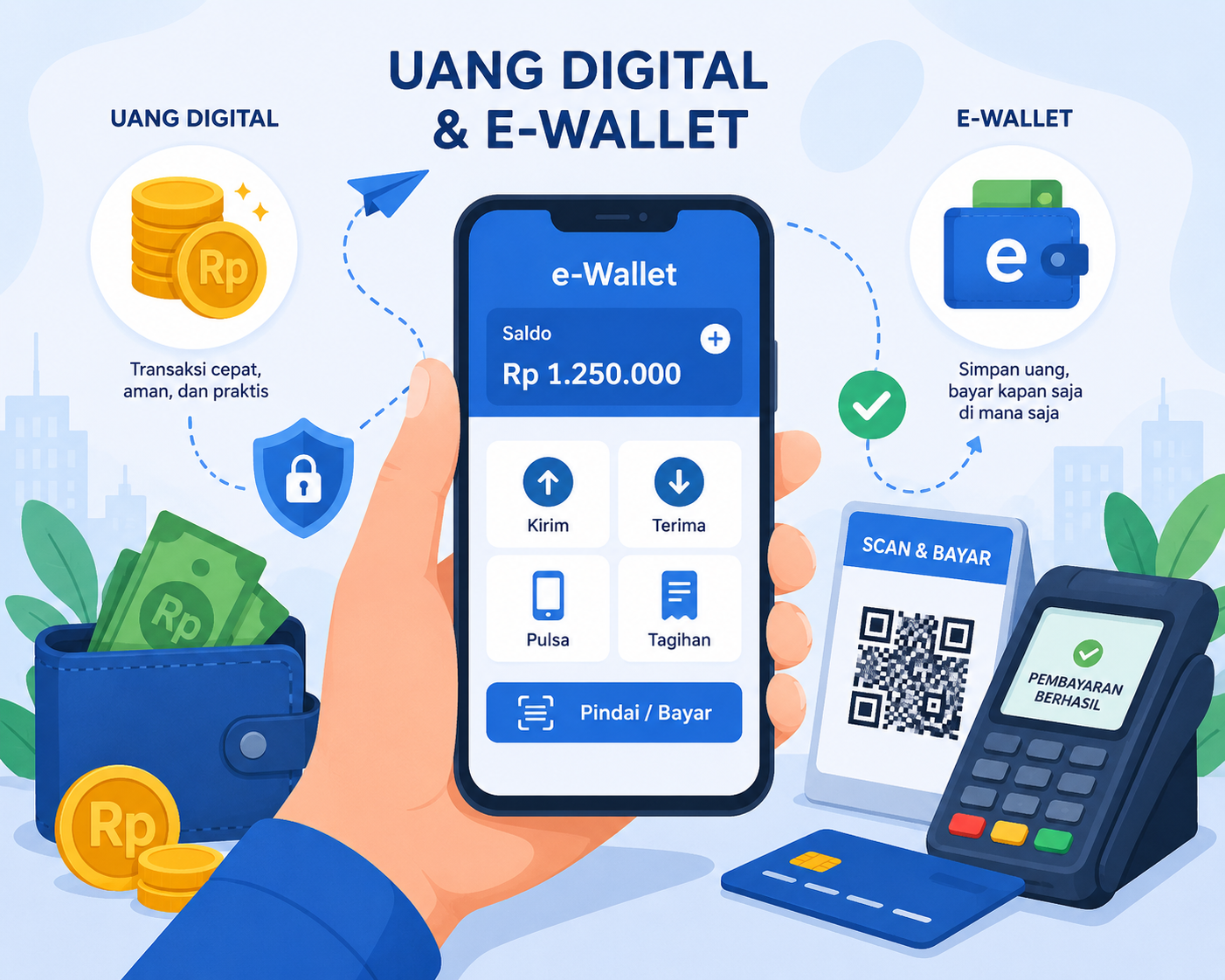
Case Study: E-Commerce Plugins as a Cross-Cultural Bridge
Consider the development of an e-commerce plugin that caters to both the United States and China. The English perspective ensures seamless integration with platforms like Shopify and WooCommerce, while the Chinese approach optimizes inventory management for high-traffic shopping festivals like Double 11. This hybrid model leverages technological creativity to deliver features such as AI-driven product recommendations and real-time currency conversion.
Challenges in Cross-Cultural Development
Developers face challenges like linguistic nuances, where direct translations can lead to usability issues. For instance, idiomatic expressions in Chinese may not resonate with English-speaking audiences. Additionally, regulatory compliance varies: the EU’s strict data laws contrast sharply with China’s cybersecurity regulations. Navigating these complexities requires a team with diverse expertise or partnerships with local developers.
Future Trends: AI and Ethical Development
Emerging trends like AI-powered plugins are reshaping the landscape. English-speaking developers are integrating AI for dynamic content generation, while Chinese teams focus on AI-driven customer service chatbots. Ethical considerations, including data privacy and algorithmic bias, will become central as cross-cultural collaboration deepens. Open-source communities are also fostering knowledge-sharing, bridging gaps between Eastern and Western methodologies.
Conclusion: A Harmonious Future for WordPress Plugins
The evolution of