Bridging Digital Divides: Crafting Culturally Sensitive WordPress Plugins for the Chinese Market
In the vast and interconnected world of digital experiences, WordPress stands as a formidable platform, powering over 43% of all websites globally. Its extensibility, primarily through plugins, is a key driver of its ubiquity. While the technical aspects of WordPress plugin development are well-understood, the true frontier of innovation lies in adapting these powerful tools to diverse cultural and regulatory landscapes. This article delves into a unique perspective: developing WordPress plugins that not only function flawlessly but also resonate deeply with the cultural nuances and specific requirements of the Chinese digital ecosystem.
The Chinese internet landscape is unique, shaped by distinct social media platforms, payment gateways, search engines, and a robust regulatory framework. For WordPress plugin developers, merely translating strings into Mandarin is a superficial approach that often misses the mark. True success in this market demands a profound understanding of its digital behaviors, user expectations, and technological infrastructure, which then must be meticulously woven into the fabric of plugin functionality.
The Imperative of Cultural Sensitivity in Plugin Development
Developing for a global audience means acknowledging that users from different cultures interact with digital interfaces in varied ways. What might be an intuitive user flow in the West could be confusing or even off-putting in China. This isn't just about language; it's about color psychology, iconography, content hierarchy, trust signals, and preferred communication channels. A plugin that ignores these elements risks alienating a massive and rapidly growing user base.
Consider the emphasis on community and social interaction within Chinese digital platforms. WeChat, for instance, is not just a messaging app but an all-encompassing ecosystem for social networking, payments, news, and services. A WordPress plugin designed to thrive in China might need to integrate seamlessly with WeChat functionalities, offering social sharing, mini-program interactions, or even direct login options through the platform. This goes far beyond standard social media share buttons, requiring a deeper API integration and an understanding of the user's journey within the WeChat ecosystem.

Navigating China's Unique Digital Infrastructure
The technical requirements for successful operation in China are as distinct as its cultural landscape. Developers must consider several critical factors:
1. Payment Gateway Integration: Beyond PayPal and Stripe
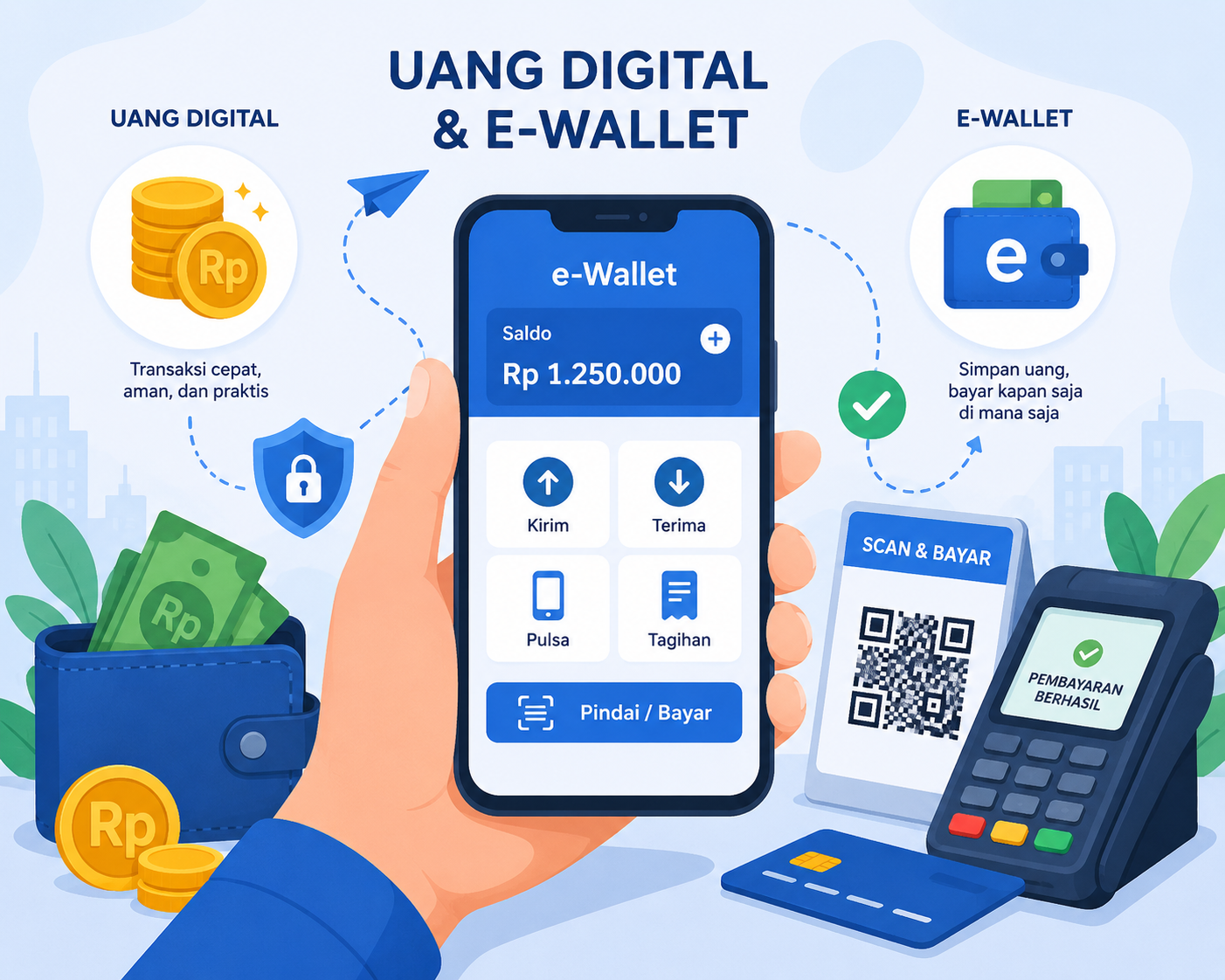
Traditional Western payment gateways like PayPal and Stripe have limited penetration in China. The dominant players are Alipay and WeChat Pay, which are deeply embedded in daily life. For e-commerce plugins or any plugin requiring monetary transactions, integrating these specific payment solutions is non-negotiable. This involves understanding their respective APIs, security protocols, and user experience flows. A plugin that offers e-commerce functionality but lacks Alipay or WeChat Pay support will likely fail to gain traction in the Chinese market.
2. Content Delivery Networks (CDNs) and Hosting
To ensure optimal loading speeds and accessibility, especially for users within mainland China, strategic hosting and CDN choices are crucial. Many global CDNs struggle with performance in China due to the Great Firewall. Leveraging domestic Chinese CDNs (like Alibaba Cloud CDN, Tencent Cloud CDN, or Baidu Cloud CDN) or deploying servers within China (which requires specific licenses and compliance) can significantly improve user experience. Plugin developers focusing on performance must account for these infrastructure differences, potentially building in configurable CDN options or recommending specific setups.
3. Search Engine Optimization (SEO) for Baidu
While Google dominates in many parts of the world, Baidu is the leading search engine in China. Baidu's algorithms have different ranking factors, often prioritizing locally hosted content, certain technical configurations, and specific content types. An SEO plugin for WordPress, if targeting the Chinese market, must go beyond typical Google-centric optimizations. This means understanding how Baidu indexes websites, what metadata it values, and how it handles JavaScript rendering. For a truly effective plugin, developers might need to research and integrate Baidu Webmaster Tools APIs or provide features tailored to Baidu's specific requirements.
4. Regulatory Compliance and Data Privacy
China has stringent data privacy and cybersecurity laws, such as the Cybersecurity Law (CSL), the Data Security Law (DSL), and the Personal Information Protection Law (PIPL). These regulations often require data localization, consent mechanisms, and specific security measures that differ from GDPR or CCPA. Plugins that collect, store, or process user data must be designed with these regulations in mind. This could involve creating custom consent forms, implementing specific data encryption methods, or ensuring data is stored on compliant servers. Neglecting these aspects can lead to severe legal penalties and a loss of user trust.
Developing Culturally Adapted Plugins: Practical Strategies
The journey from a generic WordPress plugin to a culturally attuned tool for the Chinese market requires a multi-faceted approach:
1. Deep Localization (L10n) Beyond Translation
While standard WordPress internationalization (i18n) practices, using .pot, .po, and .mo files, are fundamental, true localization for China means much more. It involves:
- UI/UX Design: Adapting layouts, color schemes, and visual elements to align with Chinese aesthetic preferences and usability patterns. For instance, more content-dense interfaces with clear navigation are common.
- Imagery and Iconography: Using images that resonate culturally and avoiding those that might be misinterpreted or deemed inappropriate.
- Date and Time Formats: Ensuring proper display of dates (YYYY-MM-DD), times (24-hour clock), and currency formats.
- Input Methods: Ensuring compatibility with Chinese input methods.
This level of detail requires collaboration with native speakers and UI/UX designers familiar with the Chinese digital space.
2. Integration with Chinese Social and Communication Platforms
Plugins for sharing, commenting, or user authentication should prioritize integration with WeChat, Weibo, Douyin (TikTok's Chinese version), and QQ. This isn't just about adding share buttons; it might involve developing custom widgets that display content from these platforms, allowing users to log in with their Chinese social accounts, or enabling direct messaging functionalities within a site through WeChat.
3. Enhanced Security and Trust Signals
Given the regulatory environment and user expectations, plugins should incorporate robust security features. Displaying clear privacy policies, data handling statements, and certifications can build trust. Features like two-factor authentication (2FA) via WeChat or SMS (with Chinese providers) can also enhance security and user confidence.
4. Performance Optimization for Chinese Users
Beyond CDN considerations, plugins should be lean and efficient. Large external JavaScript libraries or fonts that are not served from a Chinese CDN can significantly slow down page loads. Developers should consider conditional loading of scripts, optimizing asset sizes, and minimizing external requests when targeting Chinese users. This focus on optimization is a testament to the fusion of regional culture and technology in plugin development, ensuring that technical prowess serves cultural needs.
The Future: AI and Machine Learning in Cultural Adaptation
As AI and machine learning advancements are reshaping plugin development, they also hold immense promise for cultural adaptation. Imagine plugins that use AI to analyze user behavior patterns specific to a region and dynamically adjust UI elements, content recommendations, or even marketing messages. AI-powered translation goes beyond literal string replacement, striving to capture nuances, idioms, and tones that resonate culturally.
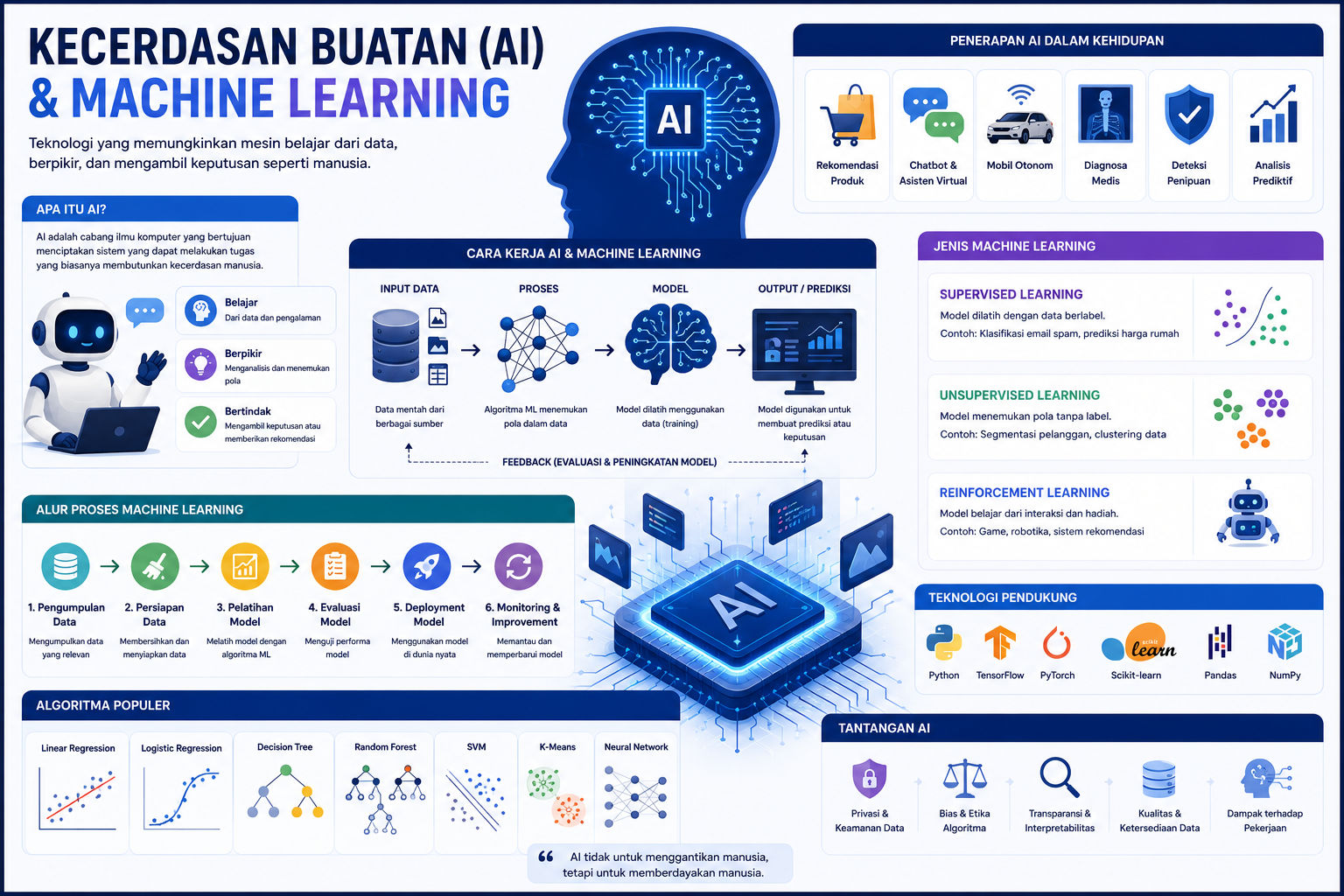
For the Chinese market, AI could help detect trending topics on Weibo, understand sentiment around certain keywords, or even predict preferred content formats based on demographic data. Plugin developers who integrate AI capabilities for dynamic cultural adaptation will be at the forefront of delivering truly personalized and effective digital experiences.
Conclusion
Developing WordPress plugins for the Chinese market is not just a technical challenge; it's a strategic endeavor that demands cultural intelligence, regulatory compliance, and a deep understanding of a unique digital ecosystem. By focusing on specific payment integrations, optimizing for local infrastructure, adhering to data privacy laws, and meticulously adapting UI/UX to local preferences, developers can unlock immense opportunities. The future of WordPress plugin development is global, and its success hinges on the ability to bridge digital divides, crafting tools that speak not just to a language, but to a culture.
Embracing this holistic approach ensures that WordPress plugins can truly empower websites to connect with the Chinese audience, fostering engagement, trust, and ultimately, success in one of the world's most dynamic digital landscapes. This calls for a commitment to continuous learning and adaptation, as the digital landscape in China is constantly evolving, presenting both challenges and unparalleled opportunities for innovative plugin developers.