WordPress Plugin Development: Bridging Innovation and Accessibility for Chinese Businesses
Introduction to WordPress Plugin Development in the Chinese Market
WordPress powers over 40% of websites globally, and its adaptability through plugins has made it a cornerstone for businesses seeking to enhance their online presence. In China, where the digital economy is rapidly evolving, WordPress plugins play a critical role in enabling local enterprises to compete globally. However, the development of plugins tailored for Chinese markets requires a nuanced understanding of both technical and cultural dynamics.Why WordPress Plugins Matter for Chinese Businesses
Chinese businesses face unique challenges, such as compliance with local regulations, integration with domestic payment systems like Alipay or WeChat Pay, and multilingual support for a diverse user base. Custom WordPress plugins can address these needs by offering localized features. For instance, a plugin could automate tax calculations according to Chinese fiscal policies or streamline logistics by integrating with popular local delivery services. This adaptability ensures that Chinese SMEs can leverage WordPress’s global infrastructure while maintaining localized functionality.
Key Components of Effective Plugin Architecture
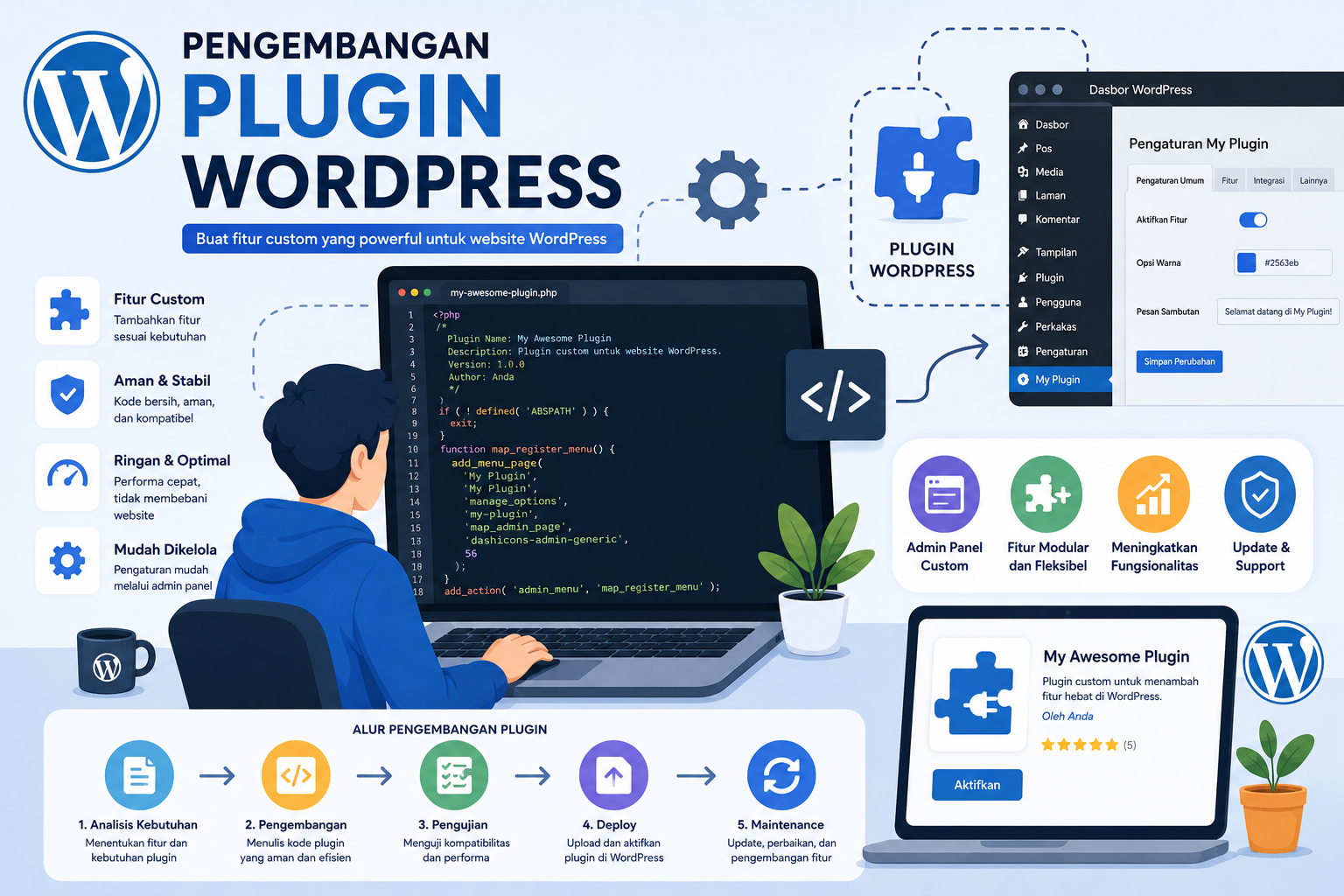
Developing a robust WordPress plugin involves understanding core components like hooks (actions and filters), REST API integration, and database optimization. For Chinese developers, prioritizing security is paramount due to stringent data privacy laws. A well-structured plugin should also support bridging traditional financial systems with modern e-commerce platforms, enabling seamless transactions. This aligns with the growing trend of hybrid solutions in China, where digital and physical commerce coexist.
Technical Challenges and Solutions
- Localization: Plugins must support Simplified Chinese and adapt to regional dialects or preferences. Utilizing gettext for translation and testing with local users can mitigate linguistic barriers.
- Performance Optimization: High traffic from mobile users in China demands lightweight, responsive plugins. Caching mechanisms and CDN integration are essential.
- Compliance: Developers must ensure plugins adhere to China’s cybersecurity laws, such as the Personal Information Protection Law (PIPL). Regular audits and encryption protocols are non-negotiable.
Case Study: A Plugin for Cross-Border E-Commerce
A hypothetical plugin, "ChinaLink," could integrate WordPress with Alibaba’s B2B platforms, allowing businesses to synchronize inventory and manage cross-border logistics. By leveraging APIs from both systems, the plugin would enable real-time price adjustments and currency conversions. This mirrors the logic of PPOB systems, which harmonize disparate financial ecosystems. Such tools empower Chinese entrepreneurs to expand into global markets without overhauling their existing WordPress setups.
Future Trends in Chinese Plugin Development
Emerging trends like AI-driven content curation and blockchain-based authentication are gaining traction. For example, a plugin could use AI to generate SEO-optimized product descriptions in Chinese, boosting search visibility on domestic platforms like Baidu. Additionally, blockchain plugins might secure transaction records, aligning with China’s push for digital currency adoption. Developers must stay agile to incorporate these innovations while maintaining backward compatibility with existing WordPress versions.
Conclusion
WordPress plugin development in China is not just about technical proficiency—it’s about crafting solutions that resonate with local demands. By addressing compliance, performance, and cultural nuances, developers can create tools that empower Chinese businesses to thrive in the digital age. As the ecosystem evolves, collaboration between global and local developers will be key to unlocking new opportunities.
For further insights into bridging traditional and digital systems, explore our discussions on PPOB architecture or digital financial integration.