The Rise of WordPress Plugin Development in China: Bridging Innovation and Market Demand
Introduction to WordPress in China
WordPress, a globally dominant content management system (CMS), has carved a niche in China despite the country's unique digital landscape. While platforms like WeChat and Alibaba dominate local markets, WordPress remains a preferred choice for international businesses and Chinese enterprises seeking global connectivity. The WordPress Plugin Development in China article highlights how developers in this region are innovating to meet domestic and international needs, emphasizing the importance of localized plugins for market relevance.
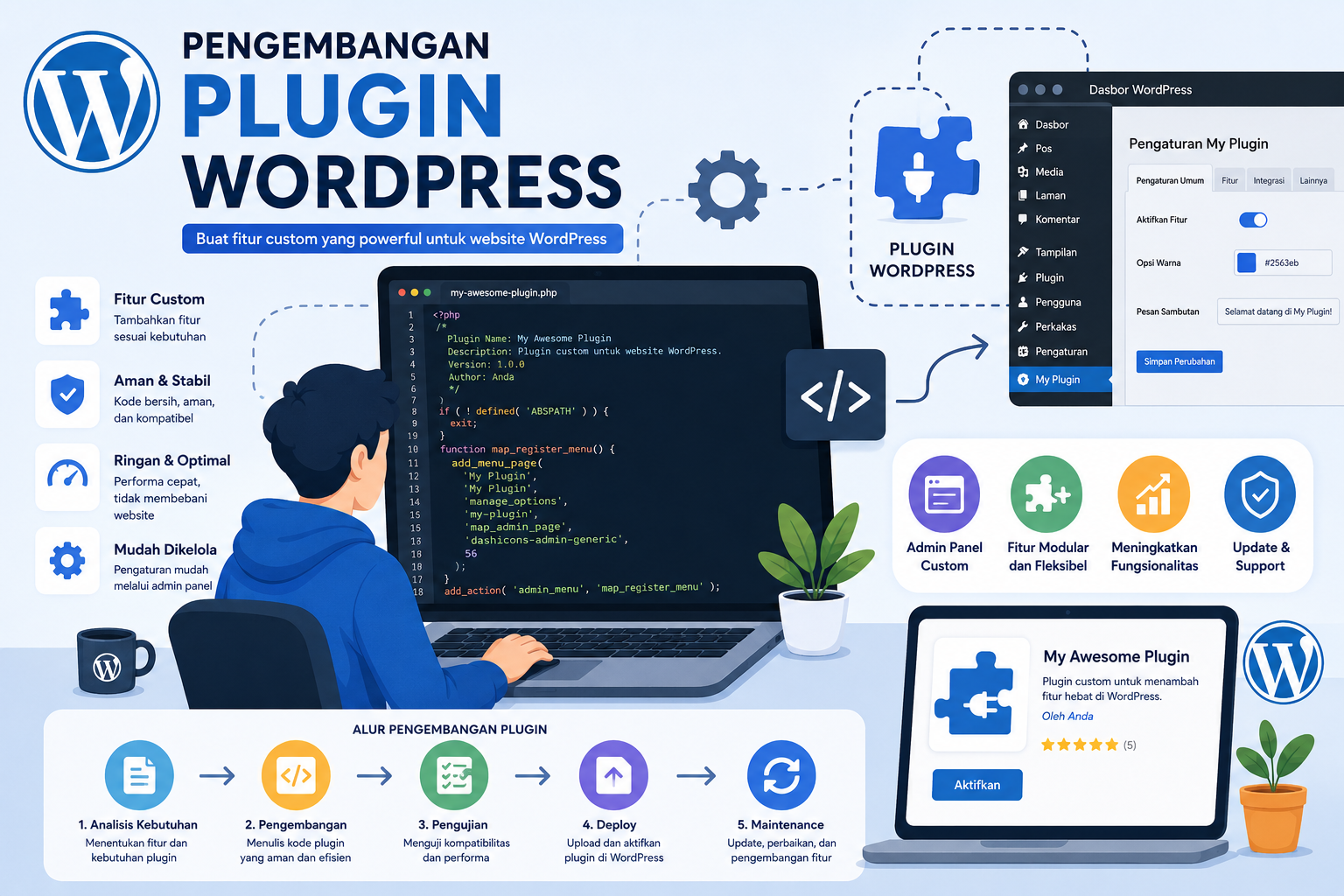
The Growing Importance of WordPress Plugins
Plugins are the lifeblood of WordPress, extending its functionality to suit diverse needs. In China, developers leverage plugins to integrate features like WeChat login, Alipay payment gateways, and localized SEO tools. These innovations bridge the gap between global WordPress standards and China's digital ecosystem. For instance, plugins enabling compliance with Chinese cybersecurity laws are critical for businesses operating within the country.
Challenges in the Chinese Market
Chinese developers face unique hurdles, including strict censorship laws and competition from homegrown platforms. Unlike the Indonesian market, where WordPress plugins focus on e-commerce scalability, China demands cultural and regulatory adaptations. Developers must ensure plugins align with local content policies while maintaining technical robustness. Language localization and compatibility with Chinese internet infrastructure further complicate the process.
Opportunities and Innovations
Despite challenges, opportunities abound. Chinese developers are pioneering plugins that integrate AI-driven content moderation and multilingual SEO optimization. The rise of cross-border e-commerce has spurred demand for plugins streamlining customs declarations and logistics. Additionally, collaborations between Chinese developers and global teams are fostering hybrid solutions, such as plugins combining WeChat's social commerce features with WordPress's flexibility.
- Localization: Plugins tailored for Chinese users often include support for Simplified Chinese interfaces and compliance with GDPR-like regulations.
- Payment Integration: Seamless integration of Alipay, WeChat Pay, and UnionPay is a hallmark of China-specific plugins.
- Cross-Platform Synchronization: Plugins linking WordPress with local platforms like Taobao and Douyin enhance market reach.
Future Trends and Predictions
As China's digital economy evolves, WordPress plugins are expected to embrace AI and blockchain for enhanced security and automation. Developers may focus on creating lightweight, mobile-first plugins tailored for China's high mobile usage. Furthermore, partnerships with international platforms could lead to plugins that comply with global standards while respecting local regulations, positioning China as a hub for innovative WordPress solutions.
In conclusion, WordPress plugin development in China is a dynamic field where technical expertise meets cultural adaptability. By addressing local needs and leveraging global trends, developers are not only sustaining WordPress's relevance but also driving digital innovation in one of the world's largest internet markets.