The Future of WordPress Plugin Development: Integrating AI and Local Market Needs in China
WordPress plugin development has evolved into a critical component of modern web strategies, particularly in markets like China where digital innovation and local customization are paramount. As Chinese businesses and developers seek to balance global technical standards with regional demands, integrating AI-driven features and understanding local market dynamics become essential. This article explores how developers can leverage these dual facets to create robust, culturally resonant plugins.
AI-Powered Functionality for Enhanced User Experience
Artificial Intelligence (AI) is revolutionizing plugin development by enabling smarter, automated solutions. For instance, AI can power real-time language translation plugins that cater to China’s multilingual user base or optimize content delivery via machine learning algorithms. 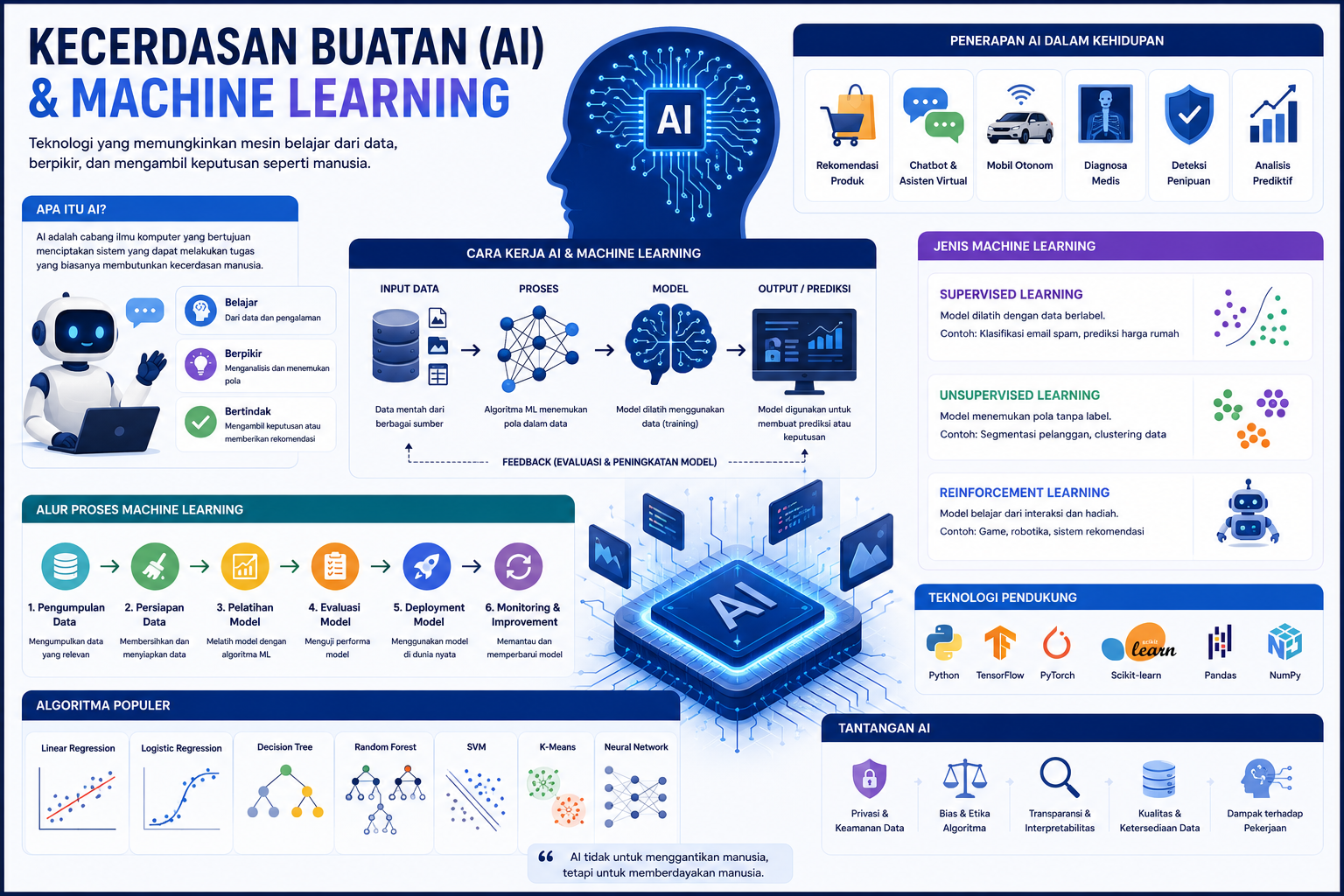
However, AI implementation requires careful consideration of data privacy and ethical guidelines, especially under China’s stringent cybersecurity laws. Developers must prioritize secure coding practices, as outlined in security optimization strategies for WordPress plugins, to build trust and compliance.
Adapting to the Chinese Digital Ecosystem
China’s digital landscape is distinct, with platforms like WeChat, Alipay, and Douyin dominating user interactions. Plugins must seamlessly integrate with these services to remain relevant. For example, a payment gateway plugin should support Alipay and UnionPay transactions, while content management plugins might need to comply with regional content regulations.
Local customization also extends to user interface (UI) design. Plugins tailored for Chinese users often incorporate simplified Chinese language support, culturally appropriate icons, and mobile-first layouts. Developers should conduct thorough market research to address these nuances, as highlighted in cultural and technical synergy strategies for the Chinese market.
Performance Optimization and Security
Performance and security are non-negotiable in plugin development. Chinese websites often face high traffic volumes, requiring plugins to be optimized for speed and scalability. Techniques like caching, database query optimization, and lightweight code architecture are critical to ensure smooth user experiences.
Security is another priority, given the prevalence of cyber threats in China. Implementing two-factor authentication (2FA), regular vulnerability audits, and secure API integrations can safeguard user data. Developers should also stay updated on emerging threats and adopt proactive mitigation measures.
Future Trends: Blockchain and Web3 Integration
As China embraces blockchain and Web3 technologies, plugins that support decentralized applications (dApps) and cryptocurrency transactions are gaining traction. For instance, plugins enabling NFT integration or blockchain-based user verification could appeal to forward-thinking businesses. While regulatory frameworks are still evolving, developers must navigate these complexities carefully to remain compliant.
Conclusion
WordPress plugin development in China demands a strategic blend of cutting-edge technology and deep cultural understanding. By integrating AI, optimizing for local market needs, and prioritizing security, developers can create plugins that not only meet global standards but also thrive within China’s unique digital ecosystem. As the market continues to evolve, staying agile and innovative will be key to long-term success.