The Art of WordPress Plugin Development: Bridging Local Innovation with Global Impact
Introduction to WordPress Plugin Development
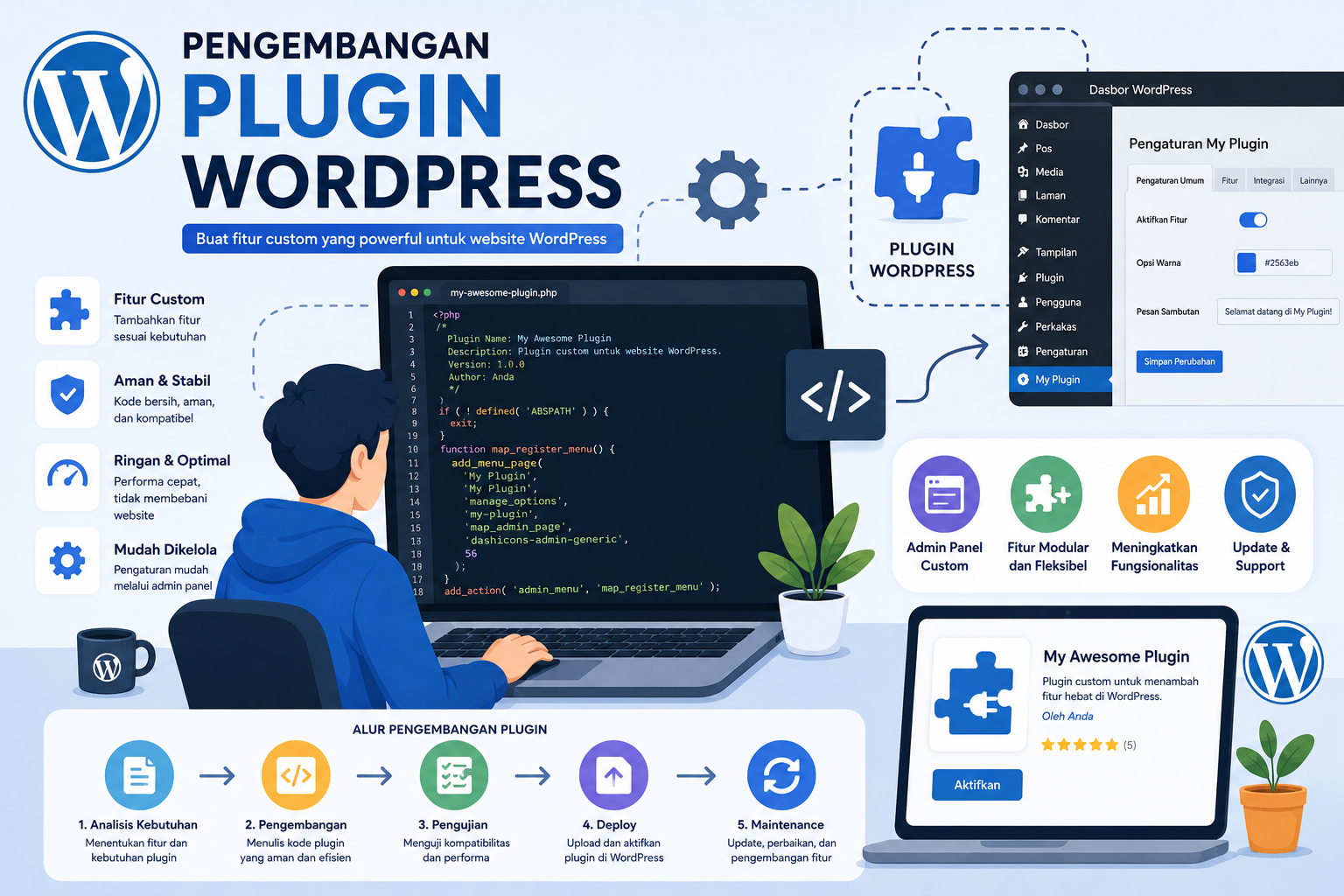
WordPress powers over 40% of websites globally, and its success is largely attributed to its extensibility through plugins. Plugin development is not merely about coding; it is an art that balances technical expertise with an understanding of user needs. Developers often focus on functionality, but a unique perspective lies in how plugins can bridge local innovations with global standards. This article explores the creative and strategic dimensions of WordPress plugin development, emphasizing its role in fostering digital inclusivity and cross-cultural collaboration.
Local Needs, Global Solutions
In regions like Southeast Asia, where digital ecosystems are rapidly evolving, developers often create plugins tailored to local challenges. For instance, Indonesian developers have pioneered plugins that support multilingual content for diverse ethnic communities. These tools not only cater to local users but also integrate seamlessly into the global WordPress library, proving that hyper-local solutions can have universal relevance. By prioritizing accessibility—such as optimizing for low-bandwidth environments—these plugins demonstrate how technical innovation can address both regional and international audiences.
Technical Challenges and Innovations
Developing a robust WordPress plugin requires more than writing clean PHP code. Security, performance optimization, and compatibility with future WordPress updates are critical. For example, ensuring that plugins work across diverse server configurations demands rigorous testing. Developers must also navigate the tension between feature-richness and minimalism. A plugin that loads quickly on mobile devices in rural areas may lack advanced features, but it remains indispensable to users with limited connectivity. Tools like WP-CLI and automated testing frameworks are now standard for streamlining this process.
Community-Driven Development
The WordPress community thrives on collaboration. Thai developers, for instance, have contributed to the global plugin market by combining traditional knowledge with modern tech. Open-source projects like the "Thai Language Pack" plugin exemplify this synergy. Such initiatives are often crowd-sourced, allowing contributors worldwide to submit translations, report bugs, or enhance features. This model not only democratizes development but also ensures cultural sensitivity—crucial for plugins targeting niche markets.
Creative Design for User Experience
A well-designed plugin is more than functional; it’s intuitive. Thai developers emphasize user-centric design by integrating familiar cultural metaphors into interfaces. For example, a plugin for local farmers might use icons resembling traditional tools instead of abstract symbols. This approach reduces the learning curve for users who may not be tech-savvy. Additionally, plugins like WP Accessibility Checker highlight how design choices can make websites more usable for people with disabilities, aligning with global accessibility standards like WCAG.
Future Trends in Plugin Development
Emerging trends like AI integration are reshaping the landscape. Plugins that leverage machine learning for content moderation or SEO optimization are gaining traction. However, developers must balance innovation with ethical considerations. For instance, a Thai team recently created an AI-driven plugin to detect fake news in regional languages, showcasing how technology can address local issues while adhering to privacy laws. Similarly, sustainability-focused plugins—such as those reducing server load by optimizing images—are becoming essential as eco-consciousness grows.
Conclusion
WordPress plugin development is a dynamic field where technical skill meets cultural insight. By addressing local needs through a global lens, developers can create tools that transcend borders. Whether it’s empowering rural communities in Indonesia or fostering inclusivity through Thai innovations, the future of plugins lies in their ability to adapt and connect. As the WordPress ecosystem evolves, the fusion of tradition and technology will continue to drive meaningful impact.
Ready to contribute to the WordPress community? Start by exploring open-source projects or attending virtual hackathons. Every line of code has the potential to bridge gaps and inspire change.