PPOB System Architecture: Navigating the Evolution Towards Resilient, Scalable, and Intelligent Digital Transaction Ecosystems
The landscape of digital finance is continuously evolving, driven by the demand for convenience, speed, and accessibility. At the heart of this transformation lies the Payment Point Online Bank (PPOB) system, an intricate network that facilitates the payment of various bills and services. Far from being a simple transaction portal, a PPOB system is a sophisticated piece of digital infrastructure, whose architecture and underlying logic dictate its performance, security, and scalability. This article delves into the "Arsitektur & Logika Sistem PPOB", exploring its foundational components, operational mechanisms, and the crucial evolutionary trajectory towards more resilient, scalable, and intelligent digital transaction ecosystems.
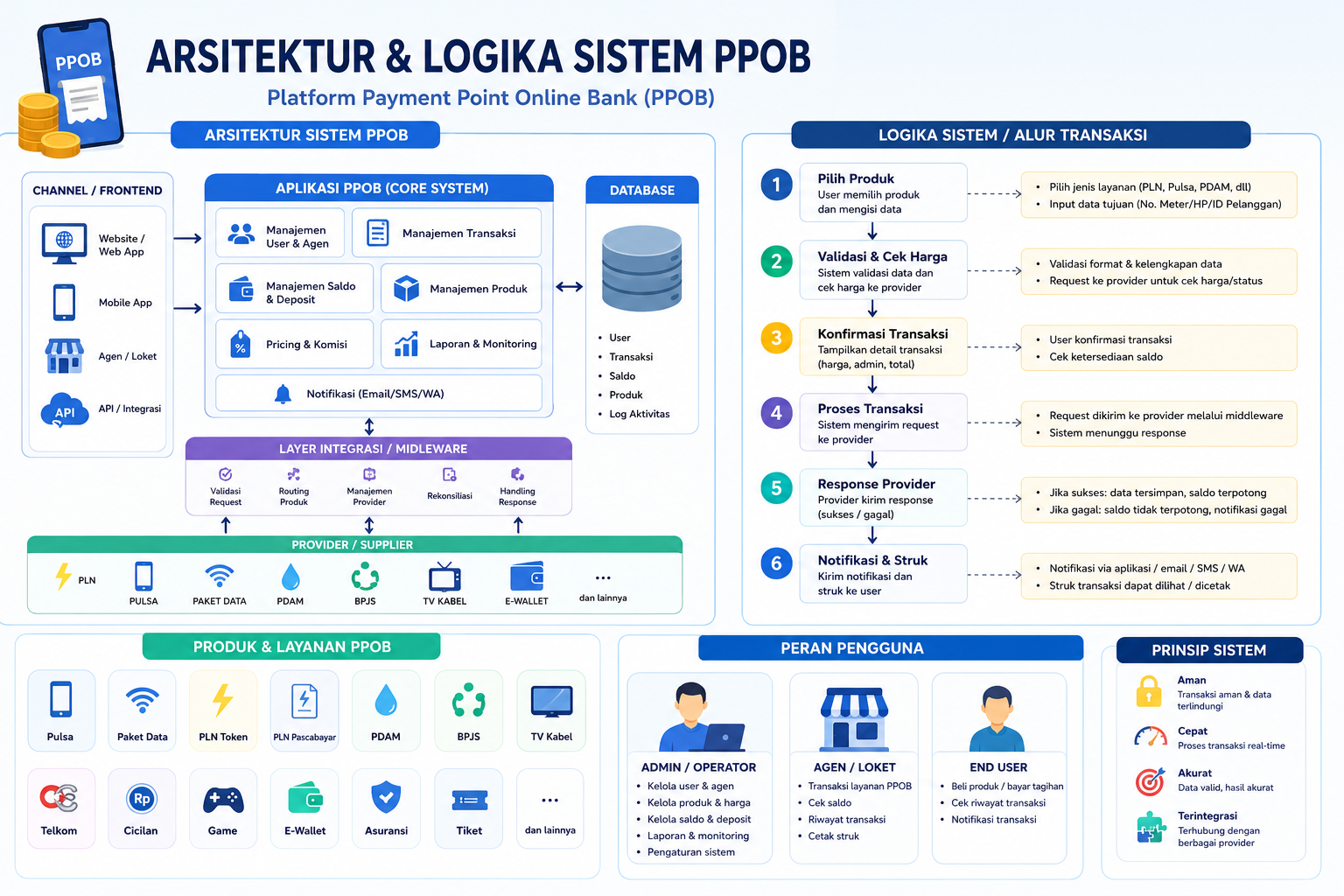
Understanding the Core PPOB Architecture: A Multi-Layered Approach
A robust PPOB system is typically built upon a multi-layered architecture, each layer serving distinct functions to ensure seamless operation. Understanding these layers is key to appreciating the complexity and ingenuity involved in unraveling the technology behind digital transactions that PPOB facilitates.
1. Presentation Layer (User Interface - UI)
This is the outermost layer, directly interacting with end-users and agents. It encompasses various access points such as:
- Web Portals: Websites optimized for desktop and mobile access.
- Mobile Applications: Dedicated apps for smartphones and tablets.
- Agent Dashboards: Interfaces for PPOB agents to process transactions on behalf of customers.
- APIs for Third-Party Integration: Enabling other platforms (e-commerce, fintech apps) to embed PPOB services.
The primary goal of this layer is to provide an intuitive, secure, and responsive user experience, ensuring ease of navigation and transaction initiation.
2. Application Layer (Business Logic)
Often considered the brain of the PPOB system, this layer houses the core business logic. It processes user requests, applies business rules, and orchestrates interactions between different system components. Key elements include:
- Transaction Management Module: Handles the lifecycle of each transaction, from initiation to completion or failure.
- Product Catalog Service: Manages the list of available billers and services (e.g., electricity, water, phone bills, top-ups), including their details, pricing, and rules.
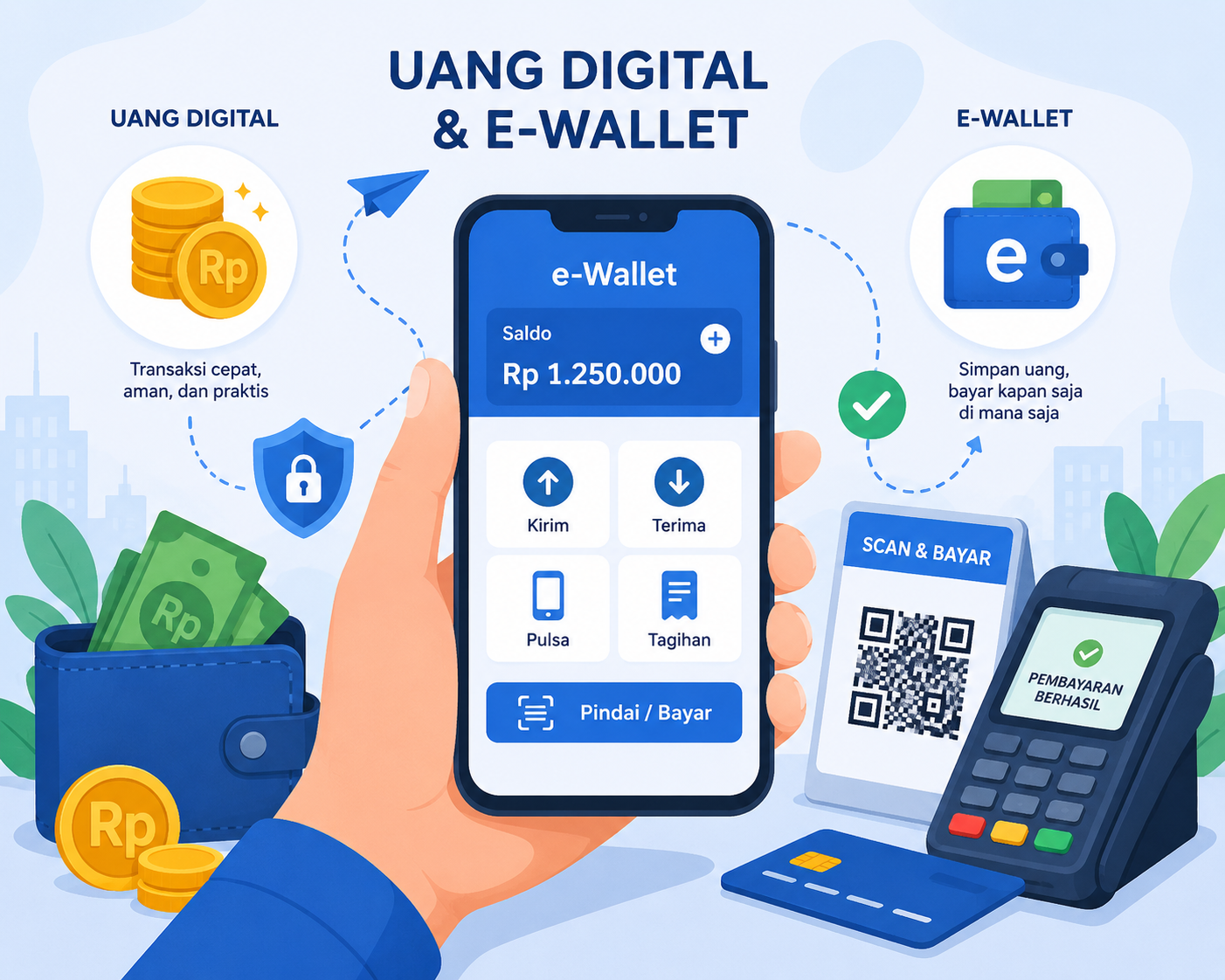
- Wallet/Account Management: For systems that include an e-wallet or prepaid account functionality for agents/users.
- Reporting and Analytics Module: Gathers data for operational insights, reconciliation, and business intelligence.
- API Gateway: Acts as a single entry point for external systems, managing requests, security, and routing to appropriate microservices.
3. Integration Layer
This critical layer connects the PPOB system with external entities, primarily billers and payment gateways. Its efficiency and reliability are paramount for successful transaction processing.
- Biller Connectors: Adapters or APIs specifically designed to communicate with various biller systems (e.g., utility companies, telecommunication providers). These connectors translate PPOB system requests into a format understood by the biller and vice-versa.
- Payment Gateway Integrations: Links to various payment service providers (banks, credit card processors, digital wallets) to facilitate the actual transfer of funds.
- Messaging Queues: Often used to handle asynchronous communication with external systems, ensuring robustness and preventing system bottlenecks during peak loads.
4. Data Layer
The backbone for all operations, the data layer is responsible for storing, retrieving, and managing all information pertinent to the PPOB system.
- Databases: Typically relational databases (e.g., PostgreSQL, MySQL) for structured transaction records, user profiles, biller information, and audit logs. NoSQL databases might be used for specific use cases like session management or logging.
- Caching Systems: Used to store frequently accessed data (e.g., popular biller lists) to reduce database load and improve response times.
- Data Warehouses/Lakes: For analytical purposes, consolidating data from various sources for in-depth reporting and trend analysis.
5. Security Layer
Security is non-negotiable in financial systems. This layer permeates all other layers and includes:
- Authentication and Authorization: Verifying user identities and controlling access rights.
- Data Encryption: Protecting sensitive data (e.g., payment credentials, personal information) in transit and at rest.
- Fraud Detection Systems: Algorithms and rules to identify and prevent fraudulent transactions.
- Compliance Monitoring: Ensuring adherence to financial regulations and data privacy laws (e.g., PCI DSS, GDPR).
- Audit Trails: Comprehensive logging of all system activities for accountability and troubleshooting.
The Logic Behind PPOB Operations: Transaction Flow and Beyond
The architectural components work in harmony, guided by intricate operational logic to ensure that every transaction is processed accurately and securely.
1. Transaction Flow (Inquiry, Payment, Confirmation)
The fundamental logic follows a typical inquire-pay-confirm pattern:
- Inquiry: A user requests to pay a bill, providing an account number or identifier. The system queries the relevant biller via the integration layer to fetch bill details (amount due, due date, status).
- Payment Initiation: Upon user confirmation, the system deducts funds (from wallet or initiates payment via gateway) and sends a payment request to the biller.
- Confirmation: The biller confirms the payment status. The PPOB system then updates its records, issues a receipt, and notifies the user.
2. Error Handling and Reconciliation
Robust error handling is critical. The system must logically manage:
- Failed Transactions: Mechanisms for automatic retries, clear error messages, and refund processes.
- Partial Failures: Identifying and addressing scenarios where one part of a multi-step process fails.
- Reconciliation: A complex process of matching transactions across the PPOB system, billers, and payment gateways to ensure all funds are accounted for and discrepancies are resolved. This often involves batch processing and automated matching algorithms.
3. Scalability and Performance
PPOB systems handle potentially millions of transactions daily. The logic must account for:
- Load Balancing: Distributing incoming traffic across multiple servers to prevent overload.
- Asynchronous Processing: Using message queues to decouple services and process tasks in the background, improving responsiveness.
- Database Optimization: Efficient indexing, query optimization, and potentially sharding or replication to handle large data volumes.
The Shift Towards Microservices and Cloud-Native Architectures
The evolution of PPOB architecture is increasingly moving towards microservices and cloud-native paradigms, signifying a significant leap from monolithic structures.
Benefits of Microservices:
- Modularity and Independent Deployment: Each service (e.g., biller inquiry, payment processing, user authentication) can be developed, deployed, and scaled independently, reducing deployment risks and increasing agility.
- Technology Diversity: Different services can use different programming languages or databases best suited for their specific function.
- Improved Resilience: The failure of one microservice does not necessarily bring down the entire system.
- Enhanced Scalability: Services experiencing high load can be scaled horizontally without affecting other services.
Challenges of Microservices:
- Distributed System Complexity: Managing numerous independent services introduces challenges in inter-service communication, data consistency, and distributed tracing.
- Operational Overhead: Requires sophisticated tools for monitoring, logging, and deployment.
Cloud-native architecture complements microservices by leveraging public cloud services (e.g., AWS, Azure, GCP) for infrastructure, managed databases, serverless functions, and container orchestration (Kubernetes). This approach further enhances scalability, reliability, and cost-efficiency, allowing PPOB providers to focus on core business logic rather than infrastructure management.
Integration Challenges and the API Economy
A core challenge for PPOB systems is the sheer diversity of billers and payment methods. Each biller might have its own proprietary system or API, requiring extensive integration efforts. This is where the API economy plays a pivotal role.
- Standardization Efforts: Industry initiatives to standardize APIs for bill payment can significantly reduce integration complexities.
- Open APIs: Providing secure, well-documented APIs allows third-party developers to build new services on top of the PPOB platform, fostering innovation and expanding reach. This is particularly relevant in markets like China, where the digital finance ecosystem is highly integrated and dynamic, as explored in discussions around bridging traditional and digital finance through robust PPOB systems.
- API Gateways: Act as crucial intermediaries, abstracting the complexity of backend services and providing a consistent interface for external partners.
The Future of PPOB Architecture: Towards Intelligence and Embedded Finance
The evolutionary path for PPOB architecture points towards systems that are not just robust and scalable but also intelligent and deeply integrated into various aspects of daily life.
- Artificial Intelligence (AI) and Machine Learning (ML):
- Personalized Services: AI can analyze user payment patterns to offer personalized reminders, recommendations, or even bundled services.
- Enhanced Fraud Detection: ML algorithms can detect anomalies in real-time, significantly improving the system's ability to prevent fraud.
- Optimized Reconciliation: AI can assist in automating and streamlining the complex reconciliation process, identifying discrepancies faster.
- Real-time Analytics: Moving beyond batch processing, real-time data streaming and analytics will provide immediate insights into system performance, transaction trends, and customer behavior, enabling proactive decision-making.
- Embedded Finance: PPOB functionality will become increasingly embedded within non-financial platforms (e.g., social media apps, e-commerce sites, IoT devices), making bill payments a seamless, almost invisible part of other activities. This requires an even more modular and API-driven architecture.
- Blockchain and Distributed Ledger Technology (DLT): While still nascent in broad PPOB applications, DLT could potentially enhance transparency, security, and reduce reconciliation efforts for specific inter-party settlements in the future.
Conclusion
The architecture and logic of a PPOB system are fundamental to its success in facilitating digital transactions. From its multi-layered components to its intricate transaction logic, every aspect is designed for efficiency, security, and reliability. As the digital finance ecosystem matures, PPOB systems are evolving from monolithic structures to agile, microservices-based, cloud-native architectures, further enhanced by AI and deep integration capabilities. This continuous evolution ensures that PPOB remains a pivotal infrastructure, driving financial inclusion and empowering individuals and businesses in the ever-expanding digital economy.