Innovative Strategies in WordPress Plugin Development: Merging AI, Security, and Scalability
Introduction to Modern WordPress Plugin Development
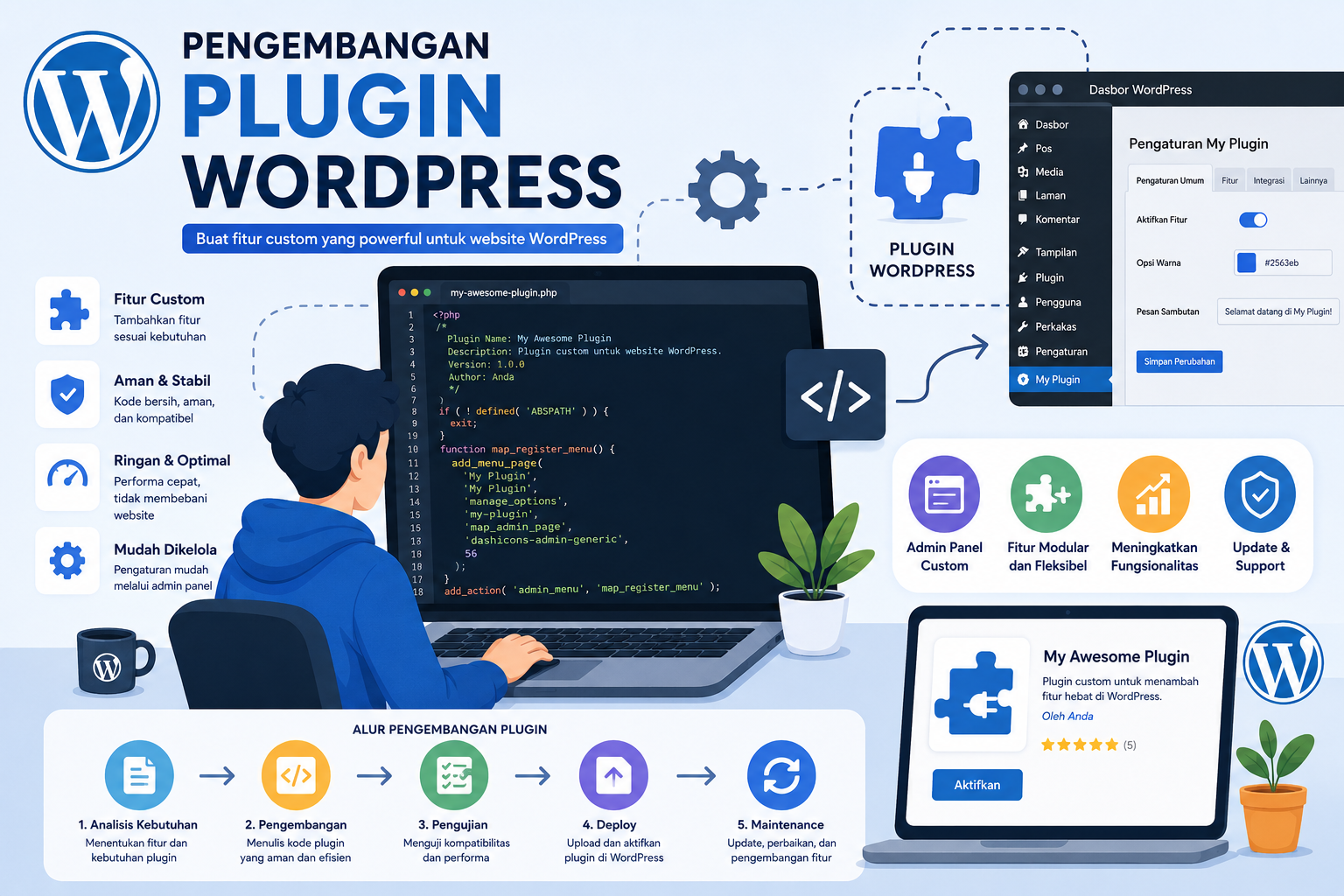
WordPress plugin development has evolved beyond basic functionality to become a dynamic field where innovation meets practicality. With over 60,000 plugins available in the WordPress repository, developers are increasingly focusing on unique solutions that integrate emerging technologies like artificial intelligence (AI), robust security protocols, and seamless user experiences. This article explores how developers can leverage these elements to create plugins that stand out in a competitive market.
Integrating AI for Smarter Plugins
One of the most groundbreaking trends in plugin development is the integration of AI. For instance, developers can use machine learning algorithms to create plugins that analyze user behavior, optimize content delivery, or even generate automated SEO suggestions. By linking with articles like AI and Machine Learning: Reflecting Thai Culture Through Technology, developers can explore how cultural context and AI can be combined to create localized plugins for niche markets.
- Behavioral Analysis: Use AI to track user interactions and suggest improvements
- Content Generation: Implement AI-powered tools for automated blog creation
- SEO Optimization: Integrate AI algorithms for real-time keyword suggestions
Security-First Development Practices
With cyber threats on the rise, plugin developers must prioritize security. Techniques such as input validation, secure database handling, and regular vulnerability assessments are non-negotiable. Developers should also adhere to WordPress.org’s security guidelines to ensure their plugins meet industry standards.
Scalability and Performance Optimization
Scalability is crucial for plugins targeting large websites. Developers should employ caching mechanisms, minimize database queries, and utilize asynchronous processing. For example, plugins that integrate with payment systems can reference PPOB System Architecture to streamline financial transaction processes efficiently.
Case Study: Building a Hybrid Plugin for E-Commerce
Consider a plugin that merges AI-driven product recommendations with secure payment gateways. Such a project would require: 1. **AI Integration:** Use machine learning models to analyze purchase history. 2. **Security Measures:** Implement SSL encryption for payment data. 3. **Performance Boost:** Optimize image loading with lazy loading techniques.
Conclusion
WordPress plugin development is no longer just about coding—it’s about crafting intelligent, secure, and user-centric solutions. By embracing AI, prioritizing security, and focusing on scalability, developers can create plugins that not only meet user needs but also set new industry benchmarks. The future of the WordPress ecosystem lies in its ability to adapt to technological advancements while maintaining simplicity for end-users.
Key Takeaways: - AI integration opens new avenues for personalized user experiences. - Security should be embedded into every phase of development. - Scalability ensures long-term viability for large-scale websites.