Innovative Approaches to WordPress Plugin Development: Integrating AI and Machine Learning for Enhanced Functionality
WordPress plugin development has evolved into a dynamic field where technical expertise meets creative problem-solving. While many developers focus on functionality and user experience, a unique angle lies in integrating artificial intelligence (AI) and machine learning (ML) to elevate plugins beyond traditional capabilities. This approach not only enhances performance but also opens new avenues for personalization, automation, and data-driven decision-making.
Why AI and ML Matter in WordPress Plugin Development
Artificial intelligence and machine learning are no longer niche technologies. They are reshaping industries, from healthcare to e-commerce. In the context of WordPress, plugins can leverage these tools to offer advanced features such as:
- Smart content recommendations based on user behavior analysis.
- Automated customer support through AI-powered chatbots.
- Real-time spam detection and security monitoring.
- Dynamic SEO optimization using predictive analytics.
By embedding AI/ML into plugins, developers can create solutions that adapt to user needs, learn from interactions, and improve over time. This transforms static tools into intelligent systems capable of scaling with growing demands.
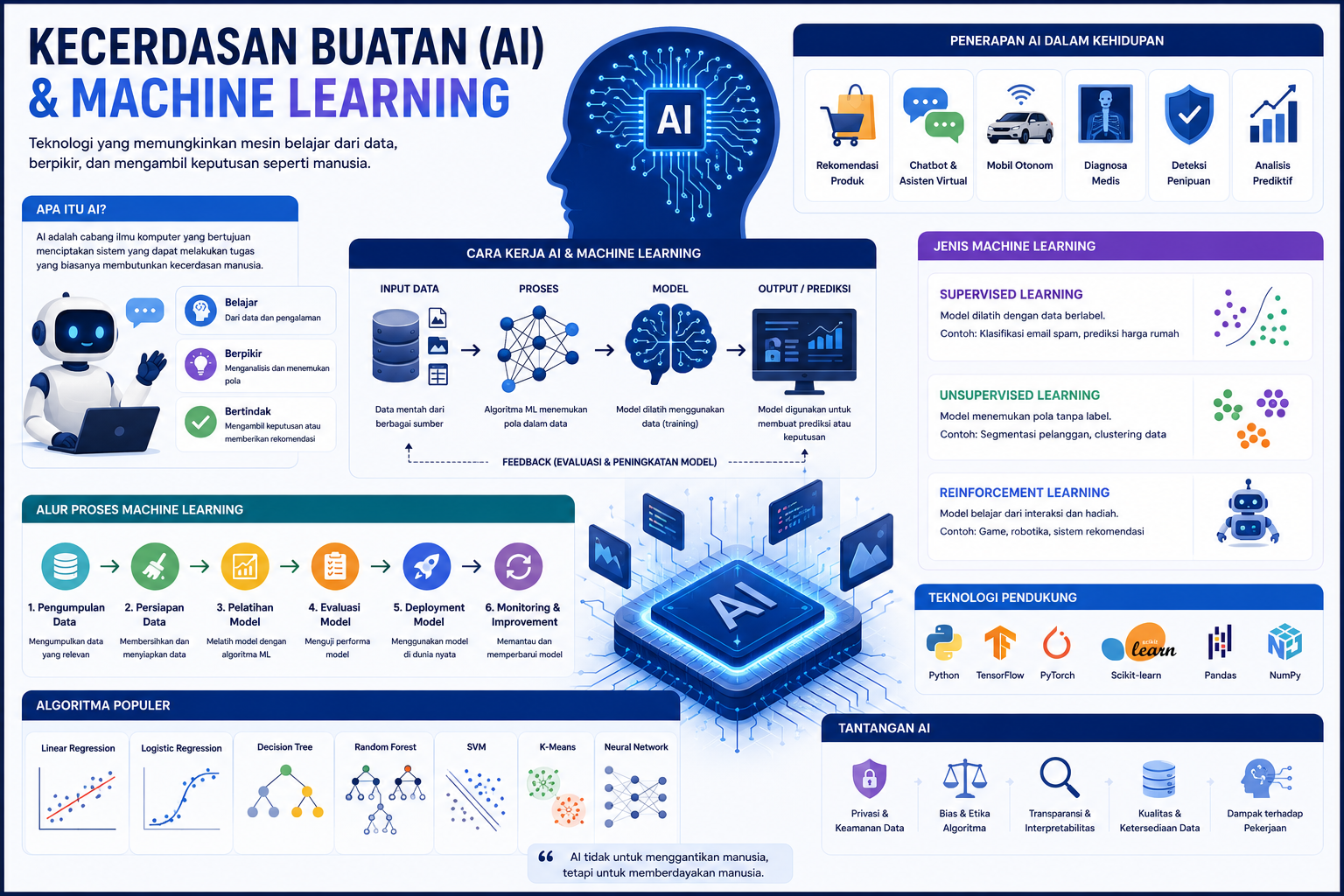
Illustration: AI and machine learning concepts in modern web development.
Technical Challenges and Solutions
Integrating AI/ML into WordPress plugins is not without hurdles. Developers must address issues like computational resource limitations, data privacy, and compatibility with existing systems. Here’s how these challenges can be tackled:
- Cloud-based APIs: Utilize services like AWS AI or Google Cloud AI to offload heavy computations and reduce server strain.
- Model Simplification: Deploy lightweight ML models optimized for WordPress’s PHP environment, ensuring faster load times.
- GDPR Compliance: Implement strict data anonymization protocols to adhere to global privacy standards.
For instance, a plugin might use a pre-trained AI model to analyze user interactions and suggest relevant content. This requires seamless API integration and efficient caching mechanisms to maintain performance.
Case Study: AI-Powered SEO Optimization Plugin
Consider a hypothetical plugin that leverages machine learning to optimize SEO. By analyzing competitors’ websites and user search patterns, the plugin could generate high-ranking content suggestions. Key features include:
- Keyword clustering based on semantic analysis.
- Real-time content scoring using natural language processing (NLP).
- Automated meta tag generation with predictive accuracy.
This example illustrates how AI can turn a standard SEO tool into a proactive, data-driven solution. Developers interested in similar projects can refer to this article for insights on balancing technical innovation with cultural adaptability.
Best Practices for AI/ML Integration
To ensure successful AI-driven plugins, follow these guidelines:
- Start Small: Begin with a single AI feature (e.g., spam filtering) before scaling to complex systems.
- Test Thoroughly: Use sandboxed environments to validate AI outputs and prevent unintended biases.
- Optimize for Compatibility: Ensure plugins work across WordPress versions and popular themes.
For security-focused AI plugins (e.g., threat detection), developers should also adhere to the recommendations outlined in this resource on global competitiveness and technical innovation.
Future Trends and Opportunities
The future of WordPress plugin development lies in harmonizing human creativity with AI efficiency. Emerging trends include:
- Generative AI for automated content creation.
- Blockchain integration for transparent data tracking.
- Edge computing to reduce latency in AI processing.
Developers who stay ahead of these trends will