Unveiling the Digital Backbone: The Intricate Architecture and Logic of PPOB Systems
In the rapidly evolving landscape of the digital economy, convenience and efficiency are paramount. At the heart of this transformation, particularly in emerging markets across Asia, lies the PPOB (Payment Point Online Banking) system. Far more than just a simple payment gateway, a PPOB system is a complex ecosystem designed to facilitate a myriad of online bill payments and digital transactions. Its true power, and often its most overlooked aspect, lies in its sophisticated architecture and the intricate logic that underpins every seamless interaction. Understanding this foundational layer is crucial to appreciating its role as a vital cog in the digital financial machine.
The PPOB system is essentially a consolidation platform, allowing users to pay various bills – from electricity and water to telecommunication services, insurance premiums, and even public transport fares – through a single interface. This capability is not magic; it is the result of meticulously designed system architecture and robust operational logic that handles diverse data formats, varying provider requirements, and stringent security protocols. This article delves into the unseen depths of PPOB, dissecting its core architectural components and illuminating the logical flow that orchestrates millions of daily transactions, driving the unseen linkages of the digital economy across regions like China and beyond.
The Foundational Architecture: Building Blocks of Digital Convenience
A PPOB system’s architecture is typically characterized by a layered approach, ensuring scalability, security, and maintainability. While specific implementations may vary, several core components are universally present:
-
Client-Side Applications
These are the user-facing interfaces through which customers initiate transactions. They can include mobile applications, web portals, or even dedicated kiosks. These applications are designed for user-friendliness, guiding customers through the payment process with intuitive forms and clear instructions. They act as the initial point of data capture, securely transmitting user inputs and transaction requests to the backend system.
-
API Gateway
Serving as the single entry point for all client requests, the API Gateway is a critical component. It handles request routing, authentication, authorization, and rate limiting. This layer acts as a traffic controller, ensuring that requests are properly formatted, authenticated, and directed to the appropriate backend services. It also abstracts the complexity of the backend services from the client applications, providing a consistent and secure interface.
-
Core Processing Engine (Backend Services)
This is the brain of the PPOB system, often implemented using a microservices architecture for flexibility and resilience. Key services within this engine include:
- **User Management Service**: Handles user registration, authentication, profile management, and role-based access control.
- **Transaction Management Service**: Orchestrates the entire transaction lifecycle, from initiation to completion, including status tracking and history logging.
- **Billing Aggregation Service**: Interfaces with various external bill providers (e.g., utility companies, telcos). This service translates internal transaction requests into the specific formats required by each provider and processes responses.
- **Payment Gateway Integration Service**: Connects to various payment gateways (e.g., banks, e-wallets) to process actual fund transfers. It manages different payment methods and ensures secure communication with financial institutions.
- **Reporting and Analytics Service**: Collects and processes data for operational reports, financial reconciliation, and business intelligence.
-
Database Layer
A robust database infrastructure is indispensable for storing vast amounts of data, including user profiles, transaction records, provider details, and system configurations. This layer typically involves a mix of relational databases for transactional data (ensuring ACID properties) and potentially NoSQL databases for logging and analytical data, optimizing for both consistency and performance.
-
External Provider Integration
This is arguably the most complex and variable part of the PPOB architecture. The system must maintain stable and secure connections with a multitude of external service providers, each potentially having different APIs, data formats, and communication protocols. This often requires dedicated adapters or connectors for each provider, managed by the billing aggregation service.
This layered approach provides a solid foundation for handling diverse operations and ensuring the system remains responsive and reliable. The modularity inherent in such an architecture allows for independent scaling of services and easier maintenance, crucial for a system that must operate 24/7.
Operational Logic: The Symphony of a Seamless Transaction
Beyond the structural components, the true intelligence of a PPOB system lies in its operational logic – the sequence of steps and decisions that enable a transaction to be processed accurately and securely. Let's trace the typical lifecycle of a bill payment:
-
Transaction Initiation
A user selects a biller (e.g., electricity company) and enters their bill ID or account number via the client application. The application performs initial client-side validation.
-
Request Validation and Authentication
The client application sends the request to the API Gateway. The Gateway authenticates the user and validates the request parameters. If valid, the request is forwarded to the Transaction Management Service.
-
Bill Inquiry and Data Retrieval
The Transaction Management Service, via the Billing Aggregation Service, queries the external bill provider's system using the provided bill ID. This inquiry retrieves real-time details such as the amount due, due date, and any outstanding penalties. This step is critical for ensuring the user pays the correct, up-to-date amount.
-
User Confirmation and Payment Method Selection
The retrieved bill details are presented to the user for confirmation. The user then selects their preferred payment method (e.g., bank transfer, e-wallet, credit card).
-
Payment Processing
Upon user confirmation, the Transaction Management Service engages the Payment Gateway Integration Service. This service securely communicates with the chosen financial institution or e-wallet provider to authorize and execute the fund transfer. This often involves tokenization, encryption, and secure communication protocols to protect sensitive financial data. The deep exploration of such an architecture and logic is essential for systems driving the digital economy, much like the invisible heart of the PPOB system.
-
Status Updates and Confirmation
Once the payment is successfully processed by the external payment gateway, a confirmation is sent back to the PPOB system. The system updates the transaction status, generates a digital receipt, and notifies the user. Concurrently, the Billing Aggregation Service sends a payment confirmation to the external bill provider, ensuring the user's account with the biller is updated.
-
Error Handling and Reconciliation
Sophisticated error handling mechanisms are built into every stage. If a transaction fails (e.g., insufficient funds, network error), the system notifies the user and guides them on remediation. For every successful or failed transaction, detailed logs are maintained. The system also employs robust reconciliation logic to match payments received with bills processed, often requiring daily or real-time settlement processes with external partners.
This intricate flow, executed in mere seconds, highlights the complexity hidden beneath the seemingly simple act of paying a bill online. The PPOB system acts as a trusted intermediary, bridging the gap between consumers, billers, and financial institutions.
Key Principles Guiding PPOB System Design
The design and implementation of PPOB systems are governed by several critical principles to ensure their effectiveness and sustainability:
-
Scalability
Digital payment volumes can fluctuate dramatically. A PPOB system must be designed to scale both vertically (increasing resources for individual components) and horizontally (adding more instances of services) to handle peak loads without performance degradation. Cloud-native architectures and microservices are instrumental here.
-
Security
Given the sensitive nature of financial transactions, security is paramount. This includes end-to-end encryption, multi-factor authentication, secure API design, robust fraud detection mechanisms, and compliance with industry standards (e.g., PCI DSS). The system must protect both user data and transaction integrity.
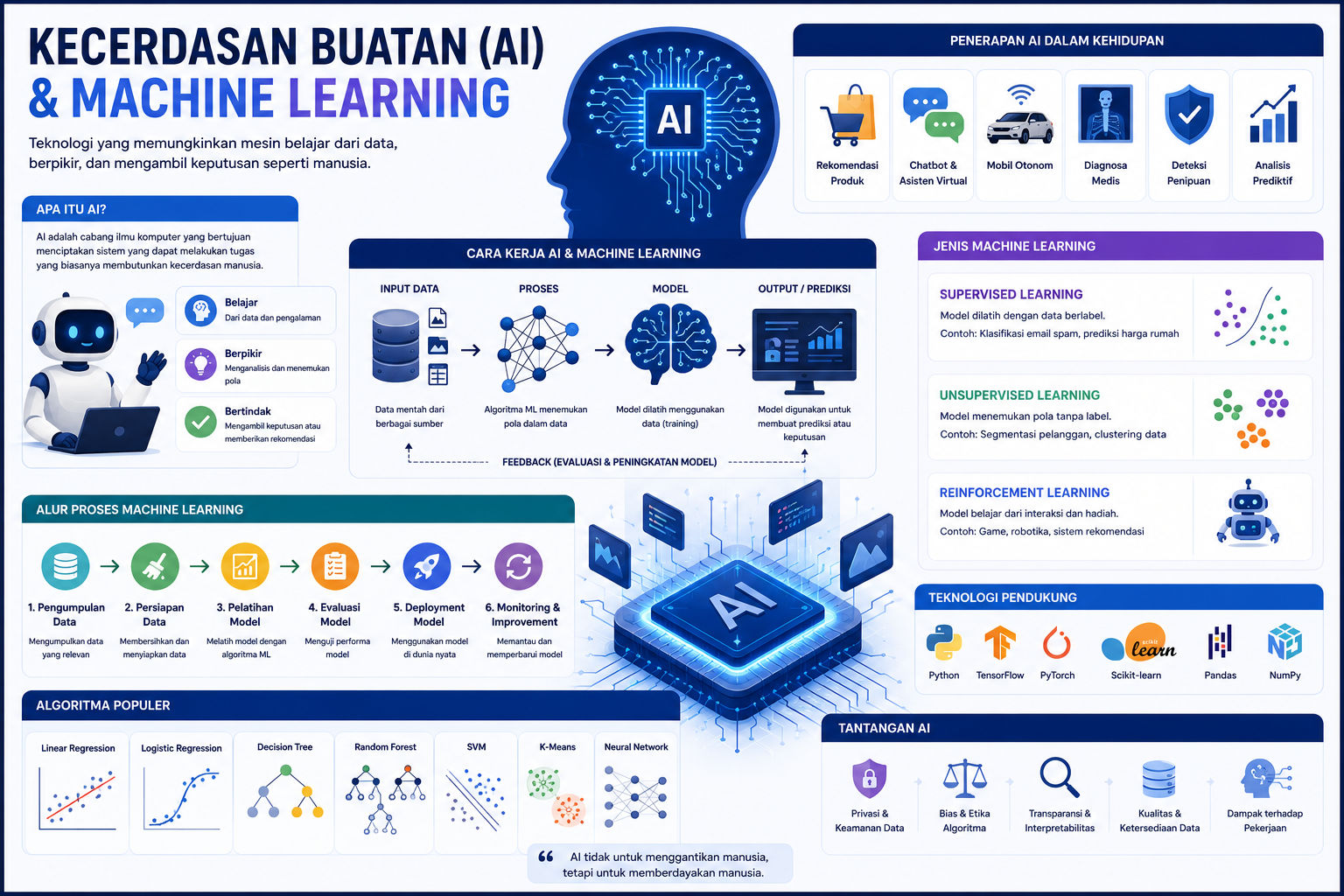
Modern PPOB systems are increasingly leveraging Artificial Intelligence and Machine Learning (AI/ML) for advanced fraud detection. AI algorithms can analyze transaction patterns in real-time to identify anomalies indicative of fraudulent activity, significantly enhancing the security posture.
-
Reliability and High Availability
Downtime is costly and erodes user trust. PPOB systems employ redundancy at all levels – servers, databases, and network connections – to ensure continuous operation. Disaster recovery and backup strategies are essential components of this principle.
-
Interoperability
The ability to seamlessly integrate with a diverse array of external systems (banks, payment gateways, thousands of billers) is fundamental. This often involves adherence to common standards where available, but more frequently, the development of custom adapters for disparate APIs.
-
Data Consistency
Ensuring that all parties (user, PPOB system, biller, bank) have a consistent view of a transaction's status is crucial. This is particularly challenging in distributed systems and often requires sophisticated eventual consistency models and robust reconciliation processes.
The Underlying Mathematical and Algorithmic Logic
The logic within a PPOB system extends beyond mere sequential steps; it encompasses complex algorithms and mathematical models. For instance:
-
Transaction Routing Logic
Determining the most efficient and cost-effective path for a transaction, especially when multiple payment gateways or biller integration points exist, involves sophisticated routing algorithms. This logic considers factors like transaction fees, network latency, and uptime of various channels.
-
Commission and Fee Distribution
PPOB systems often involve complex revenue-sharing models between the platform, agents, and other intermediaries. The logic for calculating and distributing commissions and fees accurately, often down to fractional percentages for millions of transactions, is mathematically intricate and requires precise implementation.
-
Real-time vs. Batch Processing
While customer-facing interactions demand real-time processing, backend tasks like reconciliation, bulk settlements, and reporting might utilize batch processing for efficiency. The system logic must seamlessly integrate these two processing paradigms.
-
Data Synchronization and Reconciliation
Ensuring that the PPOB system's records align perfectly with those of external billers and financial institutions is a continuous and complex task. This involves advanced reconciliation algorithms that compare transaction data across different systems, identify discrepancies, and initiate corrective actions. Such deep logic and structure are key to unraveling the unseen linkages of the digital economy.

These underlying mathematical and algorithmic components are the invisible engines that ensure financial integrity and operational efficiency within the PPOB ecosystem.
Challenges and Future Trajectories
Despite their sophistication, PPOB systems face ongoing challenges. The sheer diversity of external provider APIs and the need to constantly adapt to new payment methods, regulatory changes, and cybersecurity threats demand continuous innovation. The integration of emerging technologies like blockchain for enhanced transparency and security in reconciliation, or advanced analytics for personalized financial services, represents the next frontier for PPOB systems.
In conclusion, the PPOB system is a testament to sophisticated engineering and intricate logical design. It seamlessly stitches together disparate financial and service ecosystems into a unified, user-friendly platform. Its robust architecture and the intelligent logic orchestrating every transaction are not just technical achievements; they are the unseen foundation upon which digital economies in many parts of the world thrive, simplifying daily life and driving financial inclusion for millions.