The Invisible Engine of Digital Transactions: Decoding PPOB System Architecture and Logic
Introduction to PPOB System Architecture
The Payment Point Online Bank (PPOB) system is the backbone of modern digital transactions, enabling seamless interactions between consumers, merchants, and financial institutions. At its core, PPOB operates on a multi-tiered architecture designed to process payments securely, efficiently, and at scale. This architecture integrates payment gateways, banking APIs, and real-time data processing engines to create a frictionless environment for digital commerce.
A unique perspective on PPOB’s design lies in its ability to function as an "invisible engine," much like a city’s electrical grid. While users rarely notice its presence, it powers every transaction, from mobile wallet top-ups to online bill settlements. To understand this complexity, we must dissect its structural components and logical workflows.
Layered Architecture: The Building Blocks of PPOB
The PPOB system is structured into four primary layers: the interface layer, processing layer, data layer, and security layer.
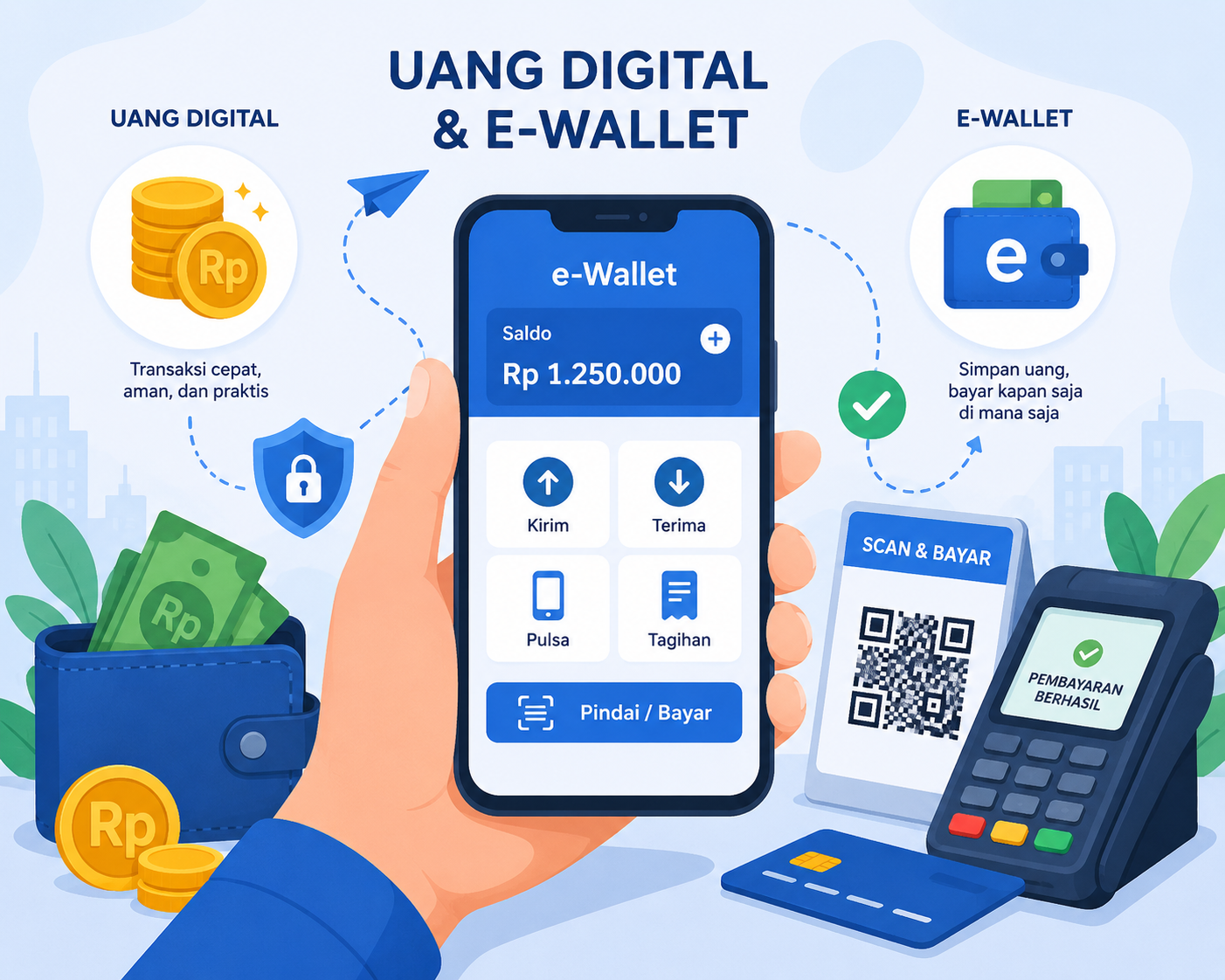
- Interface Layer: This layer includes user-facing tools like mobile apps, web portals, and QR code scanners. It serves as the bridge between end-users and the payment ecosystem.
- Processing Layer: Here, APIs (Application Programming Interfaces) connect to banks, e-wallets, and third-party services. For example, when a customer pays a utility bill via a PPOB-enabled app, this layer communicates with the electricity provider’s system to confirm the transaction.
- Data Layer: Real-time databases and analytics modules store transaction records, user preferences, and fraud detection models. This ensures compliance with regulations like PCI-DSS (Payment Card Industry Data Security Standard).
- Security Layer: Encryption protocols, two-factor authentication, and tokenization techniques are embedded to prevent data breaches. A detailed exploration of this can be found in the article Arsitektur & Logika Sistem PPOB.
Logical Workflows: The Symphony of Transaction Processing
The logic governing a PPOB system resembles a symphony orchestra, where each component plays a synchronized role. When a user initiates a payment, the system follows a predefined sequence:
- User Authentication: Biometric scans or OTPs (One-Time Passwords) verify the user’s identity.
- Transaction Authorization: The request is routed to the merchant’s payment gateway, which checks for sufficient funds and valid credentials.
- Fraud Detection: AI-driven models analyze patterns (e.g., sudden high-value transactions) to flag potential risks. This mirrors the deep architecture discussed in PPOBシステムの深層.
- Settlement and Reconciliation: Funds are transferred to the merchant’s account, and the transaction is recorded in the data layer for auditing.
Unique Perspective: PPOB as a Financial Ecosystem
Unlike traditional payment systems, PPOB thrives on its ecosystem approach. By integrating with microfinance platforms, cryptocurrency gateways, and cross-border payment APIs, it transforms into a decentralized financial network. For instance, a farmer in rural India can use a PPOB-linked app to sell crops, receive payments in a stablecoin, and instantly convert it to local currency—all within seconds.
This flexibility is achieved through modular design principles, allowing businesses to "plug in" new services without overhauling the entire system. Imagine a PPOB platform that supports both NFC payments and UPI (Unified Payments Interface) in the same transaction flow—a testament to its adaptability.
Challenges and Future Innovations
While PPOB systems are robust, they face challenges like latency in cross-border