The Architecture & Logic of PPOB Systems: A Unique Perspective on Digital Finance Integration
Understanding PPOB Systems: A Gateway to Seamless Digital Payments
Payment Point of Service (PPOB) systems have emerged as critical infrastructure in the global shift toward digital finance. These systems enable users to pay for utilities, services, and products through electronic platforms, bridging the gap between traditional banking and modern e-commerce. At their core, PPOB systems rely on a sophisticated architecture that combines payment gateways, API integrations, and security protocols to ensure seamless transactions. By exploring the logic behind their design, we uncover how PPOB systems not only streamline financial processes but also democratize access to digital economies.
The Core Architecture of PPOB Systems
The architecture of a PPOB system is multi-layered, designed to handle high transaction volumes while maintaining data integrity. A typical setup includes:
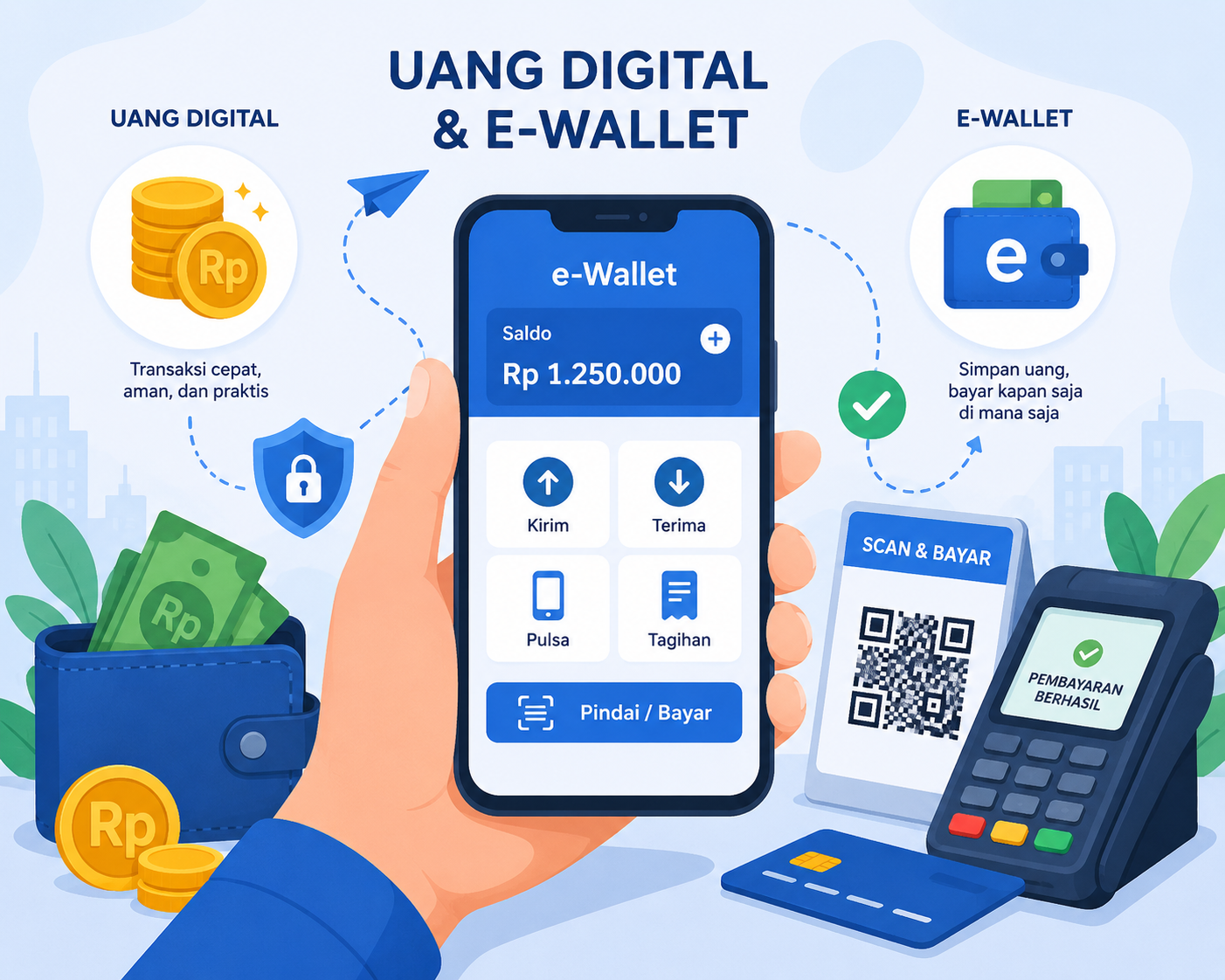
- Payment Gateways: These act as intermediaries between users and financial institutions, processing payments securely. Technologies like digital wallets and mobile banking APIs are embedded to facilitate instant transactions.
- APIs and Data Integration: Open Application Programming Interfaces (APIs) allow PPOB systems to connect with third-party services, such as utility providers or e-commerce platforms. This ensures real-time data exchange and reduces manual reconciliation.
- Security Infrastructure: To combat fraud, PPOB systems often leverage blockchain technology or AI-driven fraud detection. For example, the integration of cryptographic protocols ensures transaction data remains tamper-proof.
This architecture is not static but evolves with emerging technologies. For instance, advancements in AI and machine learning are now used to predict transaction patterns and optimize system performance.
The Logic Behind Transaction Processing
The logic of a PPOB system revolves around three key principles: speed, accuracy, and user accessibility. When a user initiates a payment, the system follows a sequence of steps:
- User Authentication: Multi-factor authentication (MFA) verifies the user’s identity, often using biometric or OTP (One-Time Password) methods.
- Payment Validation: The system checks the user’s account balance and confirms the availability of funds. APIs communicate with bank servers to execute the transfer.
- Transaction Completion: Once validated, the payment is processed, and a confirmation is sent to the user. This entire process typically takes seconds, thanks to optimized backend algorithms.
Crucially, the system’s logic is designed to handle errors gracefully. For example, if a payment fails due to network issues, the system automatically retries the transaction or alerts the user to resubmit it.
PPOB Systems and Financial Inclusion
One unique angle of PPOB systems lies in their role in promoting financial inclusion. In regions with underdeveloped banking infrastructure, these systems provide an entry point to digital finance. By partnering with local agents or using mobile-based platforms, PPOB systems enable unbanked populations to access services like electricity bills, insurance, or microloans.
For instance, in rural Africa, PPOB networks have reduced the reliance on cash by allowing users to pay for healthcare services via mobile money wallets. This integration with e-wallets (as seen in
WordPressプラグイン開発のグローバルな役割
WordPressは世界中で利用されるCMS(コンテンツ管理システム)であり、その拡張性はプラグインによって支えられています... WordPress plugin development has become a cornerstone of modern web innovation, enabling b... Peran Plugin WordPress dalam Ekosistem Digital Indonesia
WordPress menjadi salah satu pl... ความสำคัญของการพัฒนาปลั๊กอิน WordPress ในยุคดิจิทัล
WordPress ถือเป็นแพลตฟอร์มการสร้างเว...
Baca Juga Artikel Lainnya
WordPressプラグイン開発:グローバル市場への適応と文化的融合の最前線
WordPress Plugin Development in China: Bridging Innovation and Market Demands
Pengembangan Plugin WordPress: Jembatan antara Inovasi Global dan Kebutuhan Lokal Indonesia
การพัฒนาปลั๊กอิน WordPress ผ่านมุมมองการผสมผสานระหว่างเทคโนโลยีและความคิดสร้างสรรค์